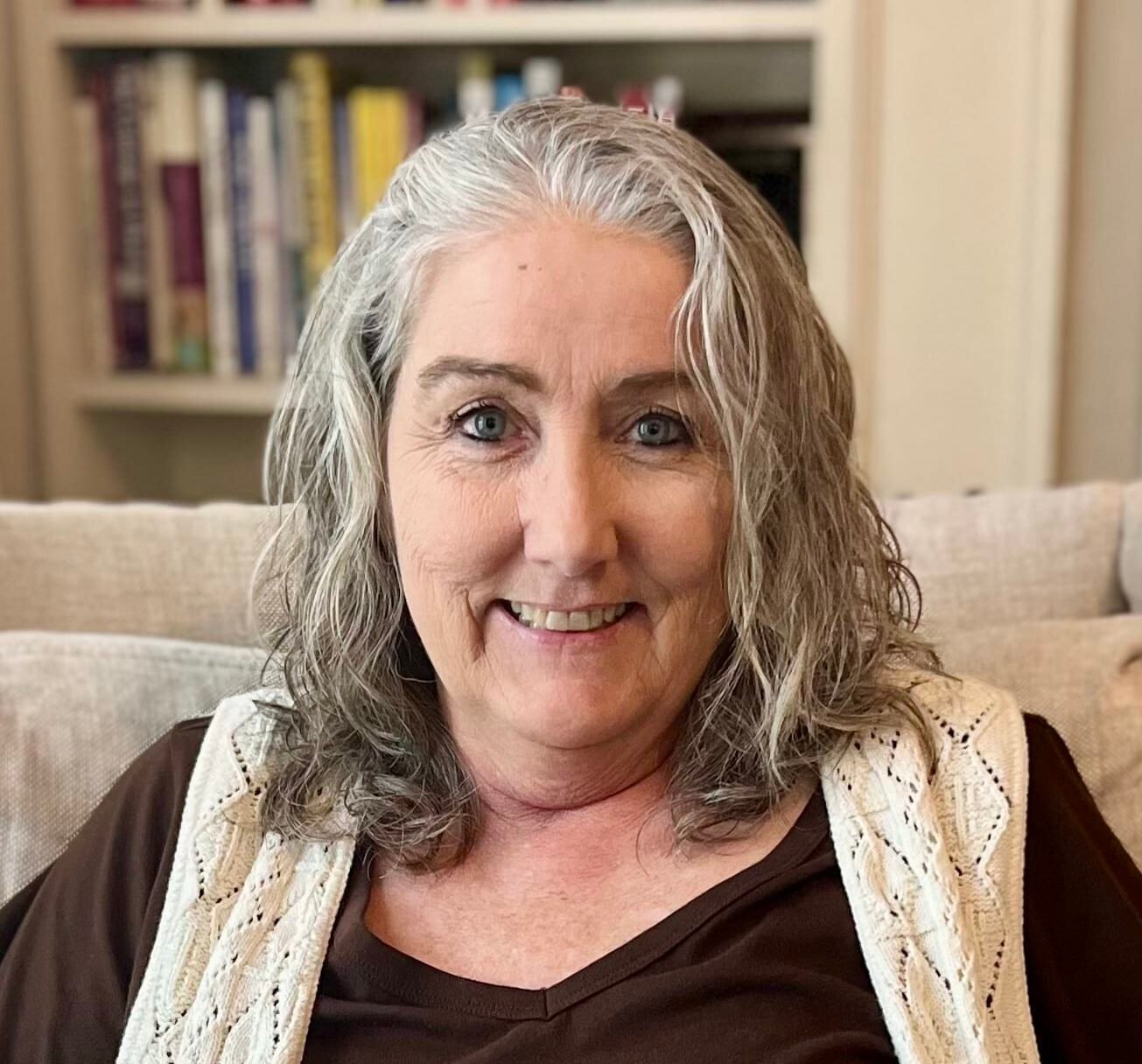
By Carrie Halladay
“Just set boundaries.”
It sounds simple. But for many people, it’s one of the hardest things to actually do. Because setting boundaries isn’t just about saying no. It’s about tolerating the discomfort that comes after.
A lot of people struggle with boundaries because they don’t want to hurt others, create conflict or be seen as difficult. So instead, they say yes when they mean no. They take on more than they can handle. They prioritize other people’s needs while quietly pushing their own aside.
Over time, that starts to wear on you.
You may feel overwhelmed, resentful or stretched too thin. Not because you don’t care about others, but because you’ve stopped including yourself in the equation.
So what are boundaries, really?
Boundaries are limits. They define what you can and cannot take on. What feels acceptable to you, and where your responsibility ends and someone else’s begins. Healthy boundaries allow you to stay connected to others without losing yourself. Without limits, burnout becomes much more likely.
Not all boundaries are healthy, though.
Some people have loose boundaries — they overextend, say yes too often, and feel responsible for everyone else. Others have rigid boundaries — they shut down, avoid and keep people at a distance to protect themselves.
Healthy boundaries sit right in the middle. They’re clear, flexible and respectful — both of yourself and others.
A boundary might sound like:
“I can’t do that today.”
“I need some time to think about it.”
“I’m not available for that.”
Simple. Direct. Respectful.
But here’s the part most people don’t expect — setting a boundary doesn’t always feel good at first. You might feel guilty. You might second-guess yourself. You might worry about how the other person will respond. That doesn’t mean the boundary is wrong. It usually means you’re doing something different. If you’re used to always saying yes, saying no will feel uncomfortable. If you’re used to keeping the peace, any shift toward honesty can feel like conflict.
Another common misunderstanding is that boundaries require long explanations or justifications. They don’t. You’re allowed to set a limit without over-explaining or defending it. The more you justify, the more it can open the door for negotiation or pushback.
Clear is kind.
That doesn’t mean people will always like your boundaries. Some won’t. Especially if they’re used to you not having them. But healthy relationships adjust. And the right people will learn where you stand and respect it, even if it takes time.
Setting boundaries is not about controlling others. It’s about taking responsibility for your own time, energy and capacity. It’s also not something you have to do perfectly. You may set a boundary and then go back on it. You may say ‘yes’ when you mean ‘no’. That’s part of the process.
The goal isn’t perfection. It’s awareness.
Each time you notice yourself feeling overwhelmed or resentful, it’s worth asking:
“Did I say yes to something I didn’t have the capacity for?” Boundaries aren’t about being less caring. They’re about making sure your care is sustainable.