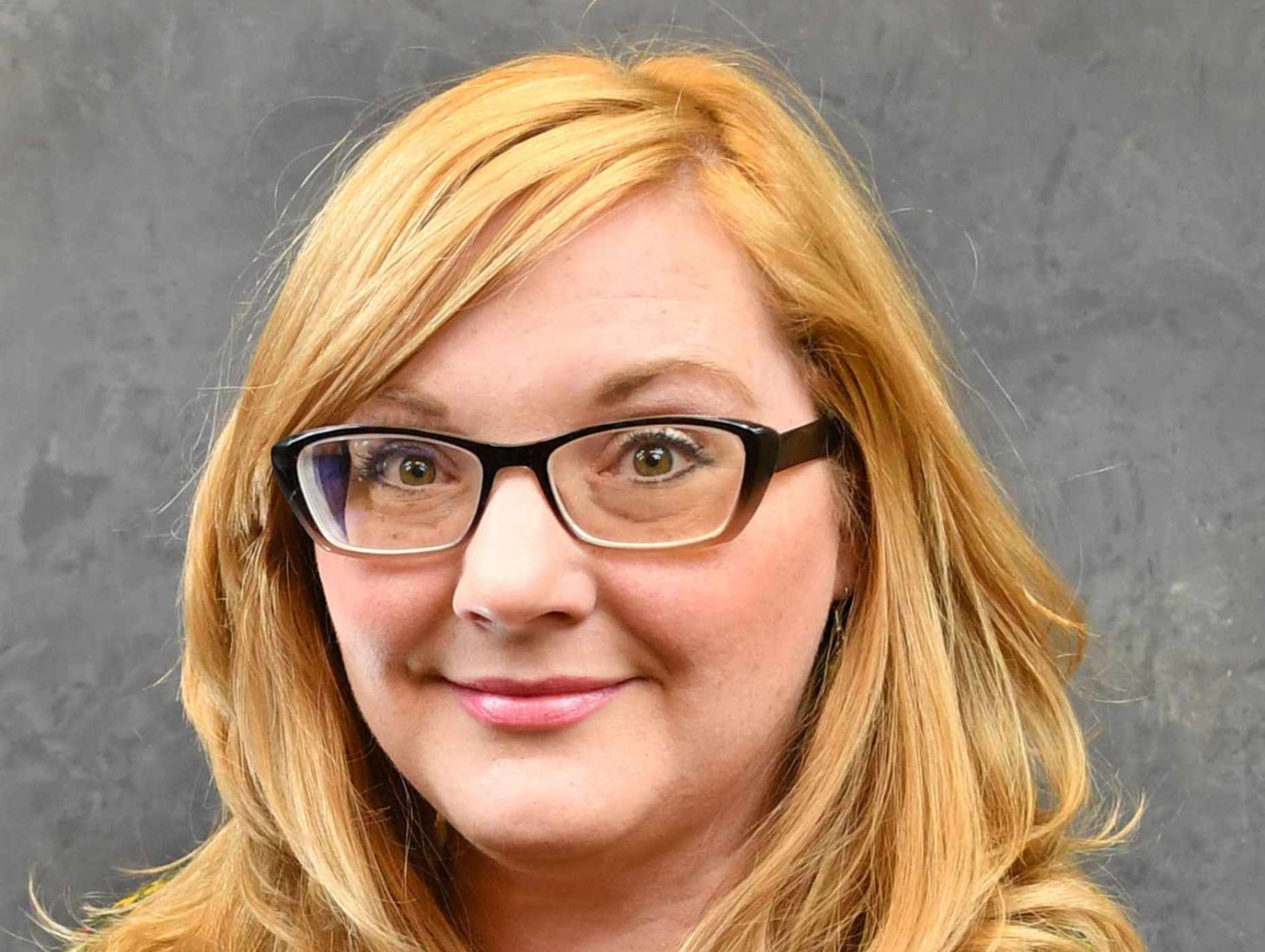
By Tabitha Bozeman
This week, the weather apps on my phone have been showing me constant weather alerts and warnings. Freezing temps, ice, possible snow have all been mentioned for this weekend. I even heard James Spann say something like “we are overdue–it’s been 30 years” since the blizzard of ‘93. These are the kind of forecasts that make Southerners hover between preparation and disbelief, buy out the milk and bread (yes, I’m guilty of that, too), and generally struggle to keep the panic at bay.. We’ve learned not to trust winter too much here, and for good cause because January in Alabama is a shape-shifter. One day you’re scraping ice from the windshield, the next you’re standing outside in short sleeves, and the day after that you are looking for tornado warnings.
Still, when the forecast turns serious, memory always turns to “remember when.”
I was young during the Blizzard of 1993, but I remember it clearly. I remember warming water in a pot on the fireplace to make ramen. I remember the whole family camping out in the living room to conserve heat. I even remember our fish tank freezing solid, only to eventually thaw back out with fish still alive! I remember the feet of snow we had piled in the front yard and stepping off the porch into the drift. But, it isn’t just the amount of snow I remember, but the sensations. The sudden quiet all around, inside and out. The way everything and everyone seemed to pause, sound and movement muffled by snow and ice. I remember adults moving with purpose and urgency, checking on neighbors on their four wheelers. I remember candlelight evenings and layers of sweaters and blankets, and the feeling of normal life being suspended.
What I remember most from that experience is not fear, but attention. During that storm, everyone was paying attention: to the weather, to the heating, to each other. We couldn’t rush those snow days, only wait them out. There was no schedule to meet or agenda to work through. We prepared as best as we could, then we waited.
That same uncertainty and planning returns whenever winter weather looms. We check heaters and pipes, gather blankets, buy groceries that will last, and make lists. Candles? Batteries? Power banks? Pet food? Water? All the things we might need, prepped and ready. We don’t know exactly what is coming, but we remember what came before and we prepare anyway. That is one of the quiet lessons potential winter weather emergencies teach us: uncertainty doesn’t have to mean inaction or panic–it means learning from previous experience and planning for the future.
Robert Frost once wrote, “In three words I can sum up everything I’ve learned about life: it goes on.” These words don’t dismiss uncertainty, hardship or fear; they simply acknowledge the quiet, persistent, often uncertain forward motion of life. Life goes on through storms, through interruptions, and through moments when we don’t have clear answers. Life goes on in the after.
Literature often prepares us for this better than certainty and perfect forecasts ever could.
When we read, we practice living without immediate resolution. We sit with contradictions. We learn to observe before judging. We learn, as Marilynne Robinson writes in Gilead, that “this is an interesting planet. It deserves all the attention you can give it.” Attention is a form of care, and of humility.
The older I get, the more intentional I am about protecting space for reading. Not because it gives me all the answers, but because it reminds me that certainty is rarely where wisdom lives.
Albert Camus wrote, “The struggle itself toward the heights is enough to fill a man’s heart.” That struggle to understand, to question, to remain open is what reading trains us to do. It teaches us how to live thoughtfully in uncertain conditions, whether those conditions arrive as political noise, personal grief, or an approaching winter storm.
As we prepare for whatever weather this weekend brings, I find myself grateful for the lessons reading and previous winter weather experiences have taught me. We don’t need to panic. We don’t need to pretend we know exactly what will happen. We prepare and pay attention. We care for one another, and we let the unknown hover without panicking.
That, after all, is how learning happens and how resilience forms. Sometimes, it’s how a childhood memory quietly reminds us that we’ve done this before, and we can do it again.