In the summer, residents of Etowah County flock to the shores of the Coosa River to fish and swim in the river they have grown up by, but what happens when that water is contaminated? How do you know when it’s safe to swim or to eat the fish you’ve caught?
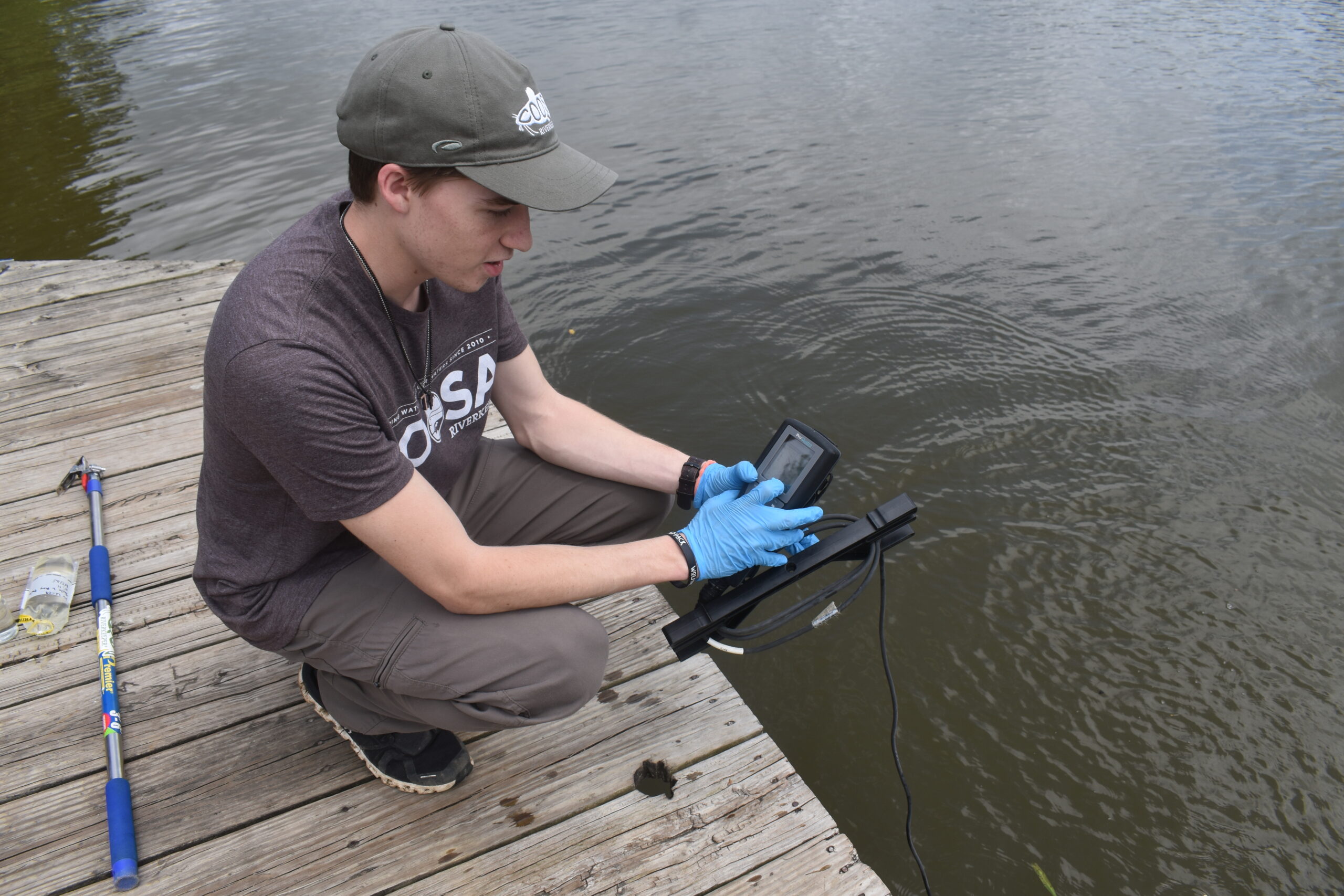
From Memorial Day to Labor Day, a group of volunteers, interns and staff members from Coosa Riverkeeper navigate the waterways from Fort Payne to Wetumpka across 5,000 square miles, testing 50 locations for water quality and informing the public of its findings via The Swim Guide and Fish Guide.

“We do a lot of different things, but kind of our big picture is we are here to protect, restore and promote the Coosa River,” said Jake Lasseter, water quality manager for Riverkeeper. “We do this through a variety of ways, including educating the public of ongoing or emerging issues in the watershed and advocating for the river and the people who use it.”
These emerging issues include alerting the public that the water they swim in is contaminated with E. coli bacteria.
The Coosa Riverkeeper is a 501c3 nonprofit river conservation organization. The organization was formed in 2010 when the Coosa River was nominated as the 10th most endangered river in the U.S. for the damming of the lakes and rivers with hydro dams, said Lasseter.
Every Thursday and Friday, Riverkeeper members test the quality of the water for E. coli, PH level, total dissolved solids, dissolved oxygen levels, conductivity, turbidity and algae. The Riverkeepers work off a traffic light warning system. Green means low levels of bacteria, amber means moderate bacteria, where you should cover cuts and bites, and red is high bacterial levels, where swimming is not recommended, according to Lasseter.
After heavy rainfall, the waters can be compromised from agricultural runoff, overflowing sewers and failing septic systems, according to their website.
“We can’t tell anyone not to swim anywhere, we can only recommend it,” Lasseter said. “I just want people to be aware that if you go swimming in a certain place and we sample there if it’s high E. coli, I believe you have the right to know.”
In addition to monitoring the water for dangerous bacteria, the organization also warn about the potential harm in unknowingly consuming fish contaminated with cancer-causing pollutants such as PFAS, which are widely used chemicals found in consumer, commercial and industrial products that can take hundreds or thousands of years to break down, earning the nickname “forever chemicals.”
Another concern for the Riverkeeper is pollution caused by coal consumption. On May 20, the Southern Environmental Law Center put Alabama Power Company on notice that Coosa Riverkeeper intends to sue for ongoing groundwater pollution from a toxic coal ash lagoon at the former Gadsden Steam Plant, according to the SELC notice letter.

Coal ash contains mercury, arsenic and nickel, among other chemicals, that are harmful to drinking water and fish. Some side effects of these chemicals are cancer, lowered IQ among children and deformities and reproductive harm in fish and wildlife, according to the Environmental Protection Agency.
Alabama Power stored 1.5 million-ton of coal ash, a byproduct of burning coal, in an unlined impoundment, in a floodplain, on the banks of Neely Henry Lake and the Coosa River in 2015, according to the document, with nearly 40 percent still in contact with the groundwater. The plant is less than a mile from Gadsden Water Works and Sewer Board, which provides drinking water to over 14,000 customers.
Also in 2015, ADEM and the Gadsden Water Works and Sewer Board (GWWSB) documented hundreds of sewer overflows, according to Riverkeeper’s website, due to neglect to manage and maintain sewage infrastructure, which allowed the sewers to fall into disrepair.
The details of the agreement are confidential, but describe a clear plan for GWWSB to continue investigating problems in the city’s sewer system, said a Facebook post from Riverkeeper in July 2024.
The organization investigates citizen complaints of pollution and takes samples in areas where they have been notified of pollution issues in the watershed.
Riverkeeper is the only Clean Water Act advocacy group that operates in the middle and lower Coosa basins, according to Lasseter. Although the Alabama Department of Environmental Management monitors over 300 locations each year, it does so on a rotational basis, focusing on certain river basins each year, ADEM Public Relations Unit told the Messenger in an email.
“That’s where organizations like us come in,” Lasseter said. “When ADEM doesn’t hold the facility accountable, and we notice there are pollution issues, we will hold them accountable.”