By Tabitha Bozeman
From the very beginning of our country’s establishment, there have been competing ideas and beliefs, and that has made us as strong as it has divided. We are a country full of strongly-held ideas and beliefs, which can lead to divisiveness. Some believe the way to limit or heal those divides is to ban the ideas and books that hold them because “books and all forms of writing have always been objects of terror to those who seek to suppress truth” (Soyinka). This week was the 43rd Banned Books Week in the United States. The first was in 1982; however, the first book banning in the U.S. was much earlier in our country’s history in 1637.
Books have been banned in our country for many reasons, including: being “too ridiculous” (A Light in the Attic); for showing women in leadership roles (The Wizard of Oz); for being too depressing (The Diary of a Young Girl); for containing talking animals (Charlotte’s Web); and even for being too violent (The Holy Bible). The list goes on and on. In 2023-2024 alone, there were over ten thousand book bans. Are there books out there with offensive ideas and themes? Sure, depending on who is answering the question. However, banning the books is much less effective than teaching critical thinking skills considering that, historically, book bans tend to raise awareness of the banned books and end up increasing the reading of offending books. One study showed that circulation, reading, ratings, and social media discussions of books increased when they were banned, whether by states or school boards. This reminds me of how children will often reactively try to do exactly what they are warned against out of a need to test boundaries, or just pure curiosity.
The other day, one of my girls picked up a book at the bookstore that I’d rather her not read, and asked if I’d let her read it because it was one she’d seen on the internet. Knowing that she is at an age where testing boundaries is a natural developmental milestone, I resisted my immediate desire to demand she put it down. It was not a book that was necessarily inappropriate, or one that would be traumatic for her to read. It was not a particularly well-written book, or one that offered much more value than a momentary distraction. I could tell she was watching me closely, expecting an exasperated “Absolutely not!” and that she was ready to argue with me. So, I shrugged, poker-faced, and told her that if that was the kind of book she wanted to read, she was welcome to check it out while we were there, but I wasn’t buying it on that visit, then I walked away. Once I was ready to leave, I walked back over to find her holding a different book. When I asked what she’d thought of the other one, she shrugged and told me she preferred literary fiction because it was better writing about better topics.
Teaching our children, students and even ourselves to analyze and evaluate ideas frees us from the fear of ideas, for “any belief worth embracing will stand up to the litmus test of scrutiny” (Buchanan). Rather than chasing the boogeyman that might be hiding in the dark pages of an unopened book, shining the light of careful analysis and calm scrutiny, weighing the contents by the ideas and beliefs an individual holds dear, should only serve to strengthen worthy values.
After all, “It is what you read when you don’t have to that determines what you will be when you can’t help it” (Wilde).
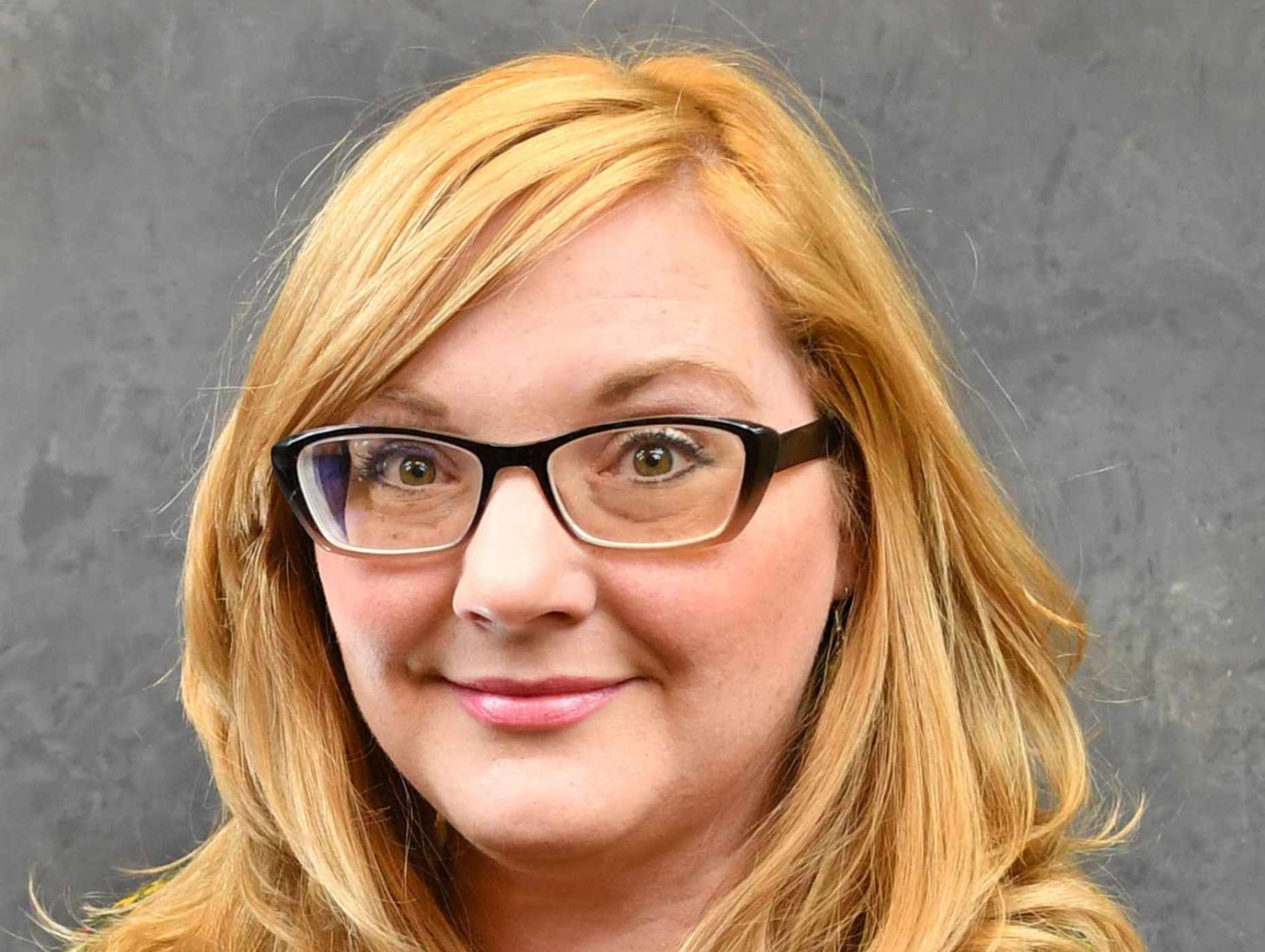
Tabitha Bozeman is an instructor at GSCC. Email at tabithabozeman@gmail.com.