By Tabitha Bozeman
Fall is a season of change, and that change is nothing new. As the song goes, “To everything, turn, turn, turn. There is a season, turn, turn, turn.” Today, I noticed the tree outside my window beginning to turn. It is still too warm and humid outside to feel like we have truly left summer behind us, but the calendar says it is fall, and I have enjoyed watching the wind blow leaves from trees this week. Another season is upon us, and I couldn’t be happier.
Seasons have their prescribed times, and as the months pass, we know to expect those changes, and we can see them happening right in front of us. Other changes and seasons, though, are more or less imperceptible, sometimes only visible in hindsight. When the American Romantics were writing literature, for example, it was not immediately obvious that their writing was a reaction to the Industrial Revolution and the Age of Enlightenment. Looking back, though, with the benefit of distance and a fuller picture, this becomes obvious.
Each new season brings with it challenges, demanding actions and re-evaluation of priorities. From what clothing should take priority in the closet during the weirdness that is Alabama fall weather, to what holdovers are going to continue from one generation to the next, to prioritizing how and what to hold onto during times of change. The older I grow, the more I realize the value in recognizing change as a constant. Each new generation learns from the past and deciding what to keep and what to discard is a continual process. Human development, improvement and adjustment is a matter of the long game, and our founding fathers knew this.
American writers and leaders from the 1600’s to today have continuously prioritized our ability to think, reason, speak and write freely according to each person’s convictions. In 1722, Benjamin Franklin mused “Without Freedom of Thought, there can be no such thing as Wisdom; and no such thing as public liberty, without Freedom of Speech.” This right and ability to think, reason, speak and write freely was so important that President John Adams even called it sacred in 1765: “But none of the means of information are more sacred, or have been cherished with more tenderness and care by the settlers of America, than the press.”
This right was prioritized by those who built this country, and the First Amendment was ratified in 1791, stating “Congress shall make no law respecting an establishment of religion, or prohibiting the free exercise thereof; or abridging the freedom of speech, or of the press; or the right of the people peaceably to assemble, and to petition the Government for a redress of grievances.”
And, in 1799 Thomas Jefferson asserted: “To preserve the freedom of the human mind … and the freedom of the press, every spirit should be ready to devote itself . . . as long as we may think as we will and speak as we think the condition of man will proceed in improvement.”
As we move from one season to the next, may we re-examine our priorities, adapt to change, when necessary, enjoy the cooler weather and rainy days, and as John Adams exhorted us,
“Let us dare to read, think, speak and write.”
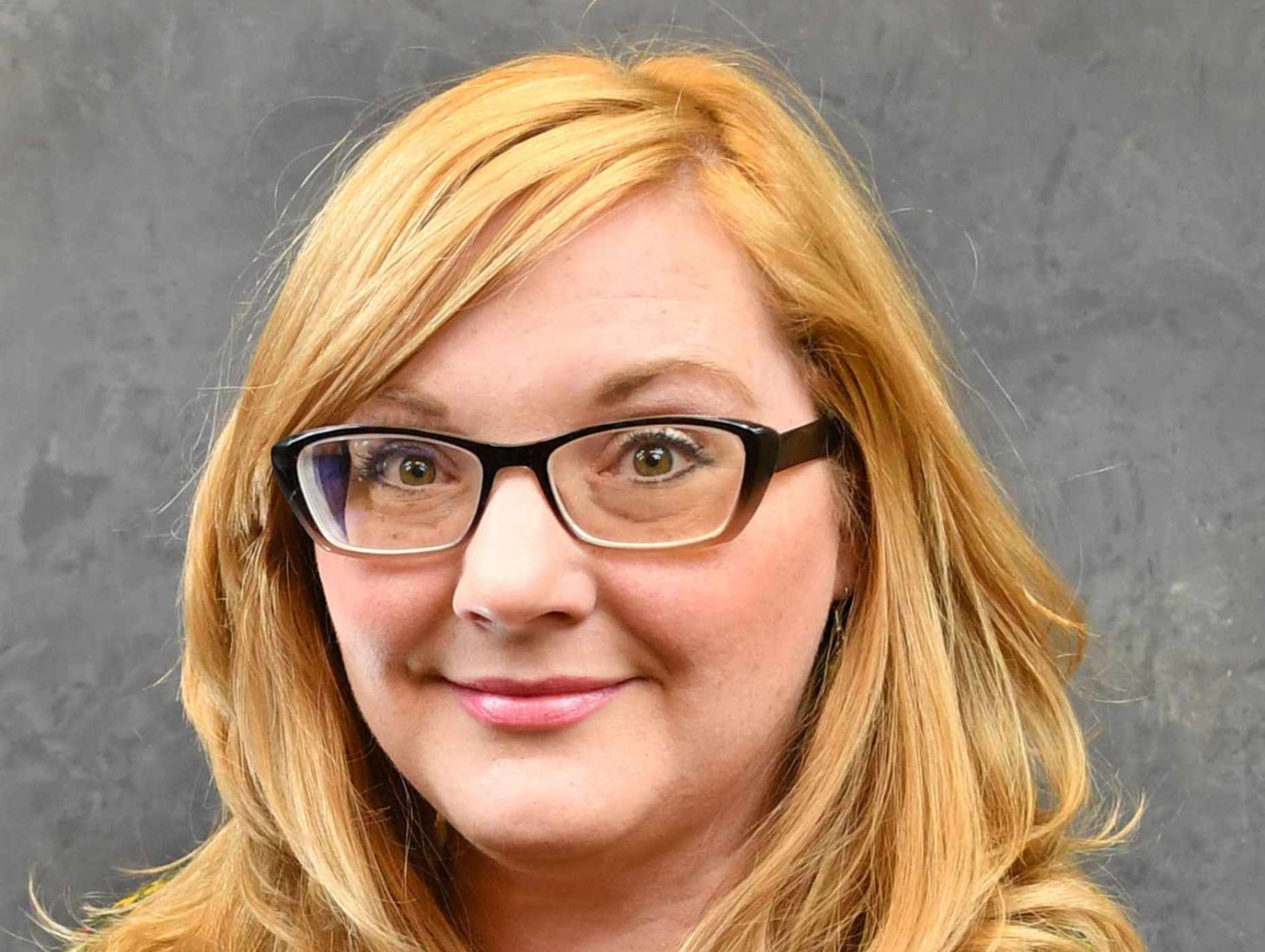
Tabitha Bozeman is an instructor at GSCC. Email at tabithabozeman@gmail.com.