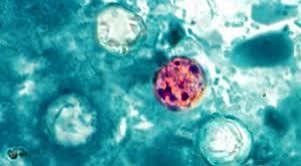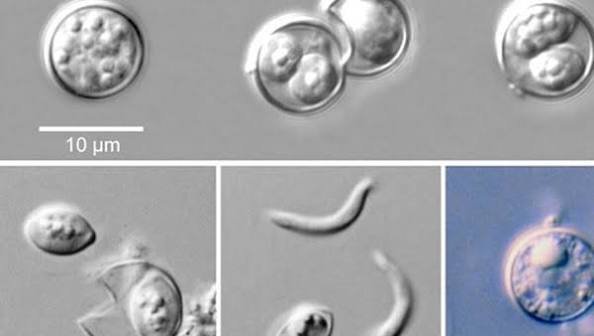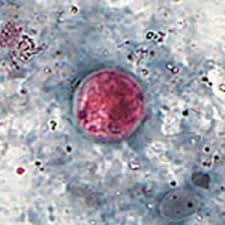
Centers for Disease Control (CDC) is monitoring over 100 cases of cyclosporiasis, a disease caused by the microscopic parasite named Cyclospora.
According to CDC, several species of the parasite cause cyclosporiasis, a disease characterized by gastric distress and severe diarrhea. The disease can also cause loss of appetite, weight loss, cramping, nausea, fatigue, low-grade fever and other flu-like symptoms.
The disease is classified as “notifiable” and “reportable” in 47 states. The parasite is linked to produce and untreated water, but there is not a precise contamination point that CDC can point to as the cause for recent rise in cases.
Cyclospora is not a new issue. CDC has tracked the parasite since it officially became a nationally notifiable disease in January of 1999. Cases usually increase in the spring and summer months. According to CDC, the cyclosporiasis season is considered to be from May 1 to August 31.
So far this year, 145 cases have been reported across 17 states, including neighboring states of Georgia and Tennessee.
Individuals usually begin to experience symptoms as early as two days or as late as two weeks after consuming contaminated food or water. CDC says that symptoms can last anywhere from a few days to a month or longer.
Experts with CDC recommend thoroughly washing all produce, especially leafy greens. Be sure to wash hands with soap and water before and after handling or preparing raw fruits and vegetables. They also recommend sanitizing cutting boards after using them to prepare cut fruit and vegetables. It is also recommended that peeled, cut or cooked fruits and vegetables be refrigerated as soon as possible, preferably within two hours of preparation.
When travelling to areas where water may be unsafe, exercise caution and avoid drinking water potentially contaminated with human or animal waste or feces.
For more information on cyclosporiasis or CDC’s monitoring of the cases, visit cdc.gov/cyclosporiasis.