By Tabitha Bozeman
This week, I watched a show about the art students who pulled off a major news hoax in 1998: the “Leeds 13.” Their idea was pretty simple: to highlight the unreliable nature of the British tabloids at the time, they would pretend to misuse grant monies awarded for an art project and pretend to go on a beach vacation. They took photos in the freezing cold at a local beach, filmed themselves in a freezing pool as if it were mid-summer, and took candids of their group hanging out, eating and drinking, and just generally posing as partying college students. The tabloids immediately picked up the story and ran with it, and it was all anyone could talk about. The students went on radio shows, were interviewed on television, and so on, continuing to pretend the vacation happened on the government’s dime, until they broke the news during a live interview that it was a hoax. But was it art? The answer to that may depend on the definition or purpose of art that resonates with an individual — and there are many to choose from.
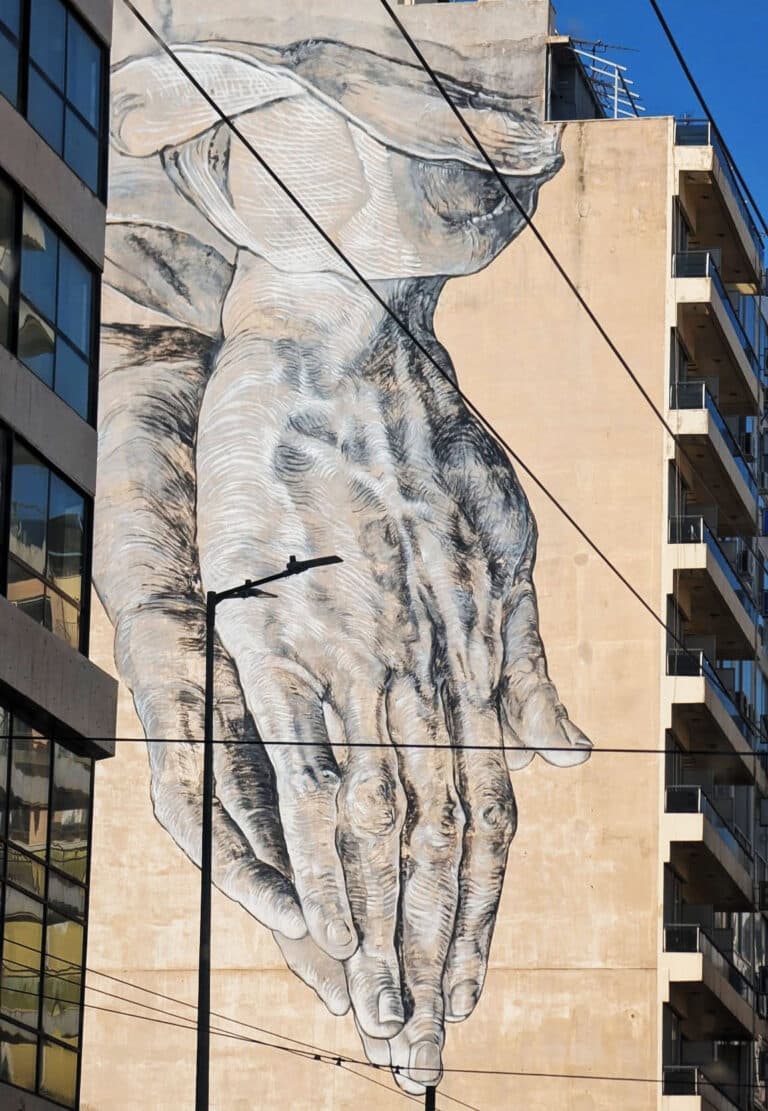
Aristotle defined the purpose of art saying, “The aim of art is to represent not the outward appearance of things, but their inward significance.” James Baldwin stated that “the purpose of art is to lay bare the questions that have been hidden by the answers.” Bob Dylan said that “art is the perpetual motion of illusion.” Brassier, artist and friend of novelist Henry Miller (who called Brassier “the Eye of Paris” for his art that showed the gritty, honest reality under the glamorous façade), said the purpose of art is “to raise people to a higher level of awareness than they would otherwise attain on their own.”
The Leeds 13 said that the point of their hoax was to create art that focused on the way public narratives and moral panic could be manipulated by the tabloid media’s obsession with sensationalism and break-neck turnaround speed on stories. If this is true, then, yes, according to the definitions and descriptions above, they created art. They played with outer appearances, uncovered hidden questions about the reliability of the tabloids and raised awareness of a topic many people may not have considered otherwise. The actual physical “art” they created? They created a multimedia collection of fake appearances, photographs, fake travel documents and flight tickets, recorded radio and television broadcasts and even an empty exhibit experience when patrons showed up for their “show.” They had effectively created art — performance art, if nothing else — while also pushing the boundaries as to what counts as art, who gets to define art, and raising awareness about the unreliable nature of the British tabloids.
This week I taught one of my favorite activities: the CRAAP assignment. This assignment walks students through evaluating various types of source materials to identify which are reliable sources of information. This is always an important lesson, but even more important now that students are wading through not only the internet but also AI search results as well. We discussed the importance of currency (“C”), relevance (“R”), authority (“A”), accuracy (“A”), and purpose (“P”). When was a source created? Updated? In what way is it connected to the topic of research? What authority do the creators of the source hold? Do they have direct, firsthand experience? Are they educated in that field? Why should they be trusted? How do we know the source is most likely accurate and reliable? What is the purpose of the source? Is it trying to sell a product? Membership? Idea?
Checking source reliability is important when faulty, unreliable information can have far-reaching, or even devastating and dangerous consequences. But checking the reliability of information takes a little effort on our part. Are we taking the time to scroll to the bottom of websites and look for the date it was last updated? Are we looking at the credentials and experience content creators hold? Are we cross referencing important information with other sites and sources to see if anything stands out as anomalous? Have we considered what motivation a source might have for selling us an idea or product?
We can’t always answer each of these questions with 100% certainty, but that doesn’t mean they aren’t worth considering. The young artists in the Leeds 13 group in 1998 saw something that concerned them, that no one else seemed to be questioning. They used the skills and platform they had to start a conversation. After all, as Pablo Picasso said, sometimes “art is a lie that makes us realize truth.”