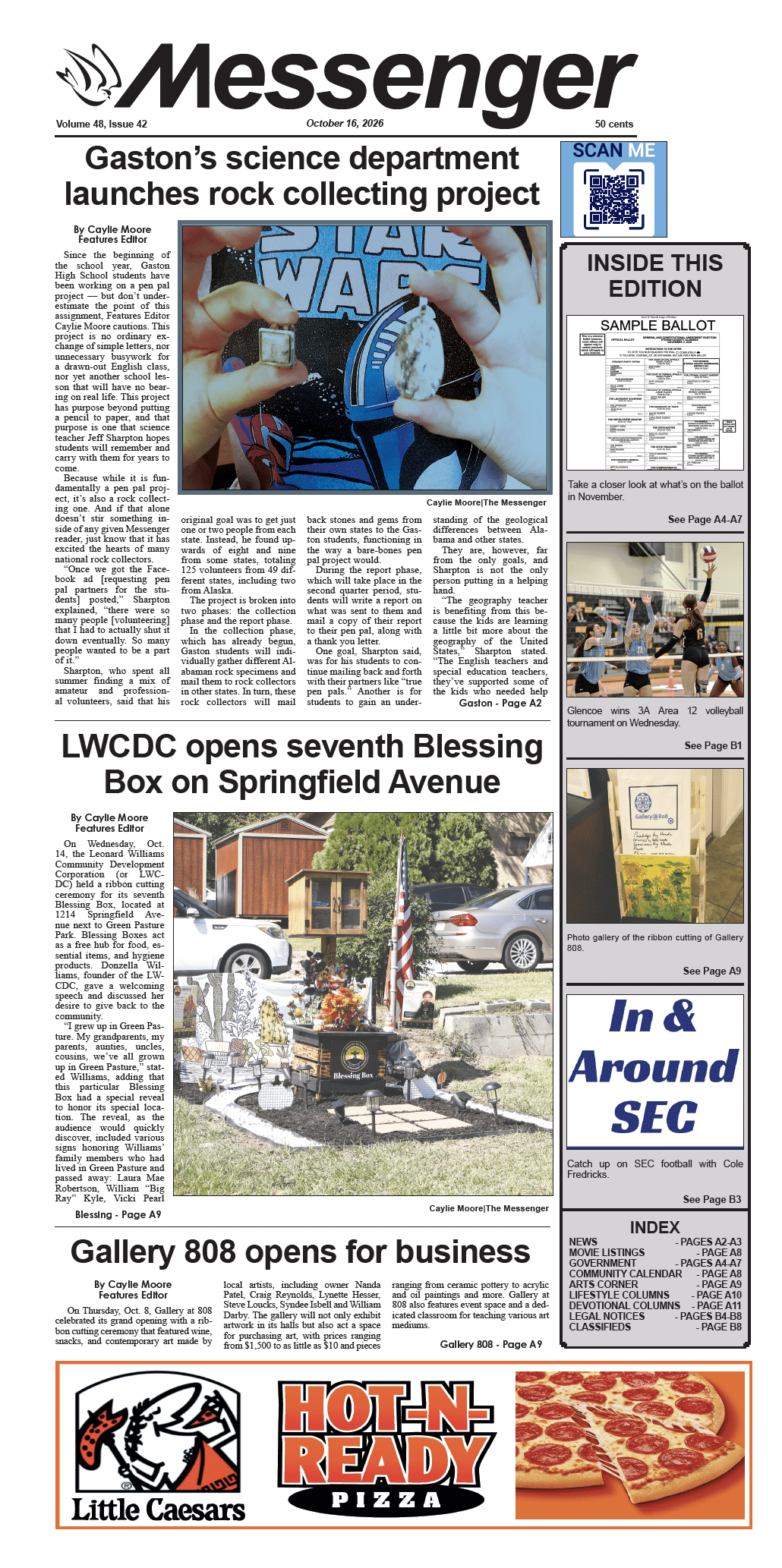
By Caylie Moore, Features Editor
Since the beginning of the school year, Gaston High School students have been working on a pen pal project — but don’t underestimate the point of this assignment, Features Editor Caylie Moore cautions. This project is no ordinary exchange of simple letters, nor unnecessary busywork for a drawn-out English class, nor yet another school lesson that will have no bearing on real life. This project has purpose beyond putting a pencil to paper, and that purpose is one that science teacher Jeff Sharpton hopes students will remember and carry with them for years to come.
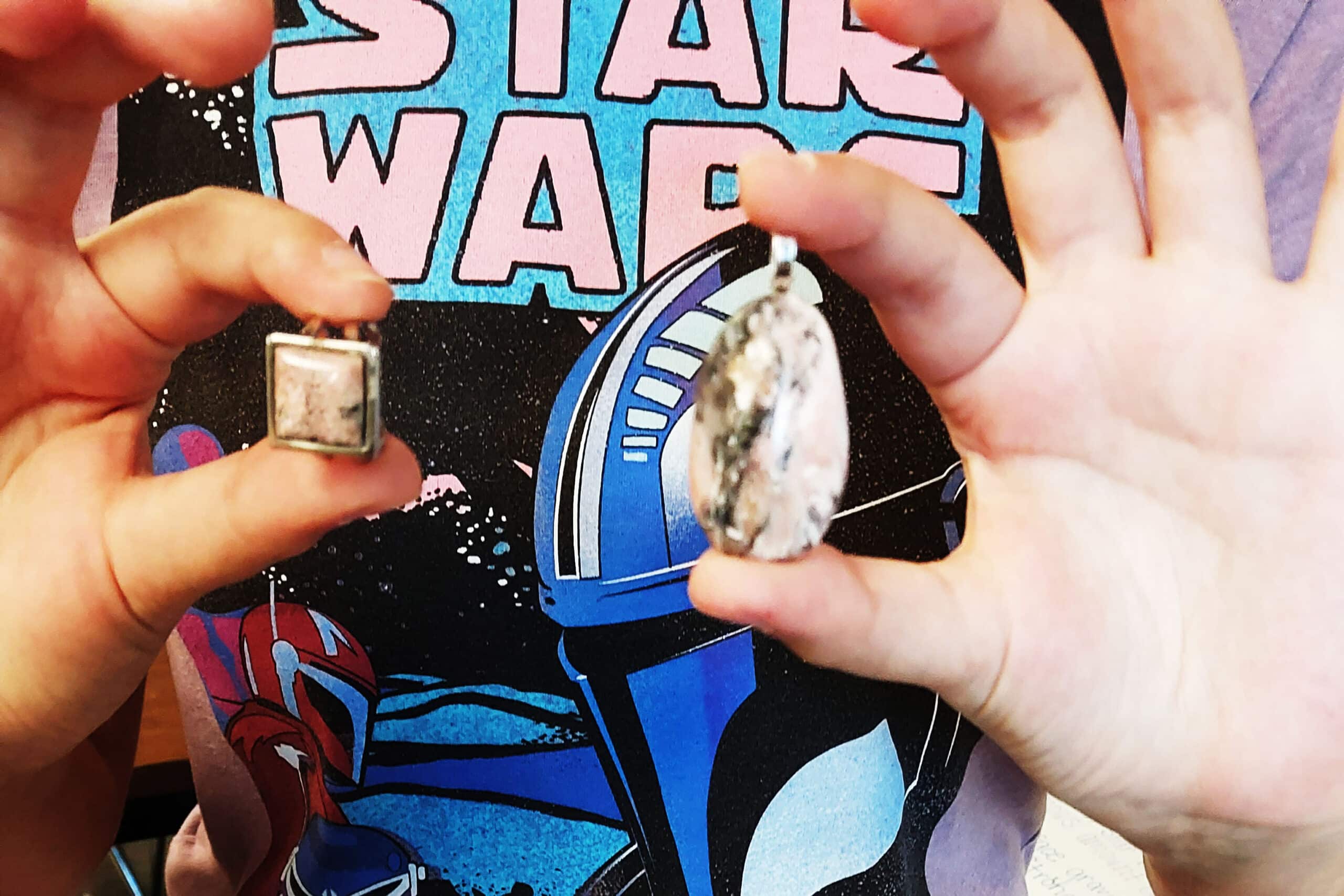
Because while it is fundamentally a pen pal project, it’s also a rock collecting one. And if that alone doesn’t stir something inside of any given Messenger reader, just know that it has excited the hearts of many national rock collectors.
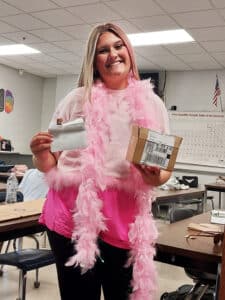
“Once we got the Facebook ad [requesting pen pal partners for the students] posted,” Sharpton explained, “there were so many people [volunteering] that I had to actually shut it down eventually. So many people wanted to be a part of it.”
Sharpton, who spent all summer finding a mix of amateur and professional volunteers, said that his original goal was to get just one or two people from each state. Instead, he found upwards of eight and nine from some states, totaling 125 volunteers from 49 different states, including two from Alaska.
The project is broken into two phases: the collection phase and the report phase.
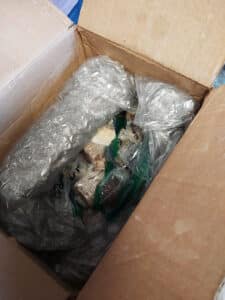
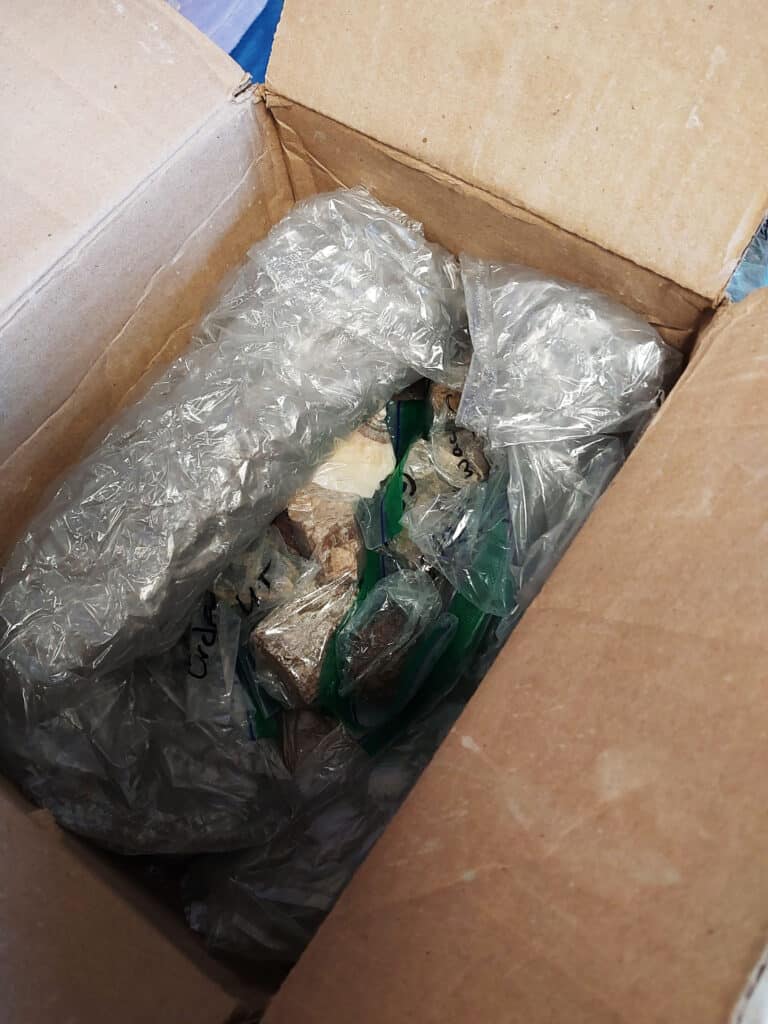
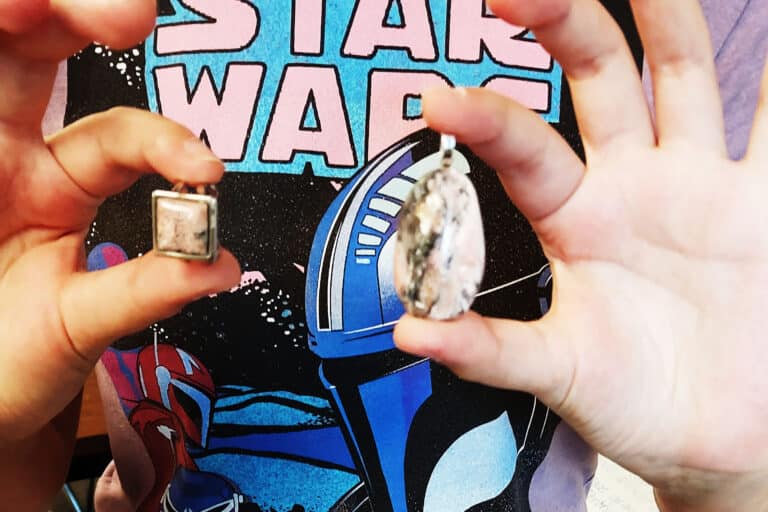
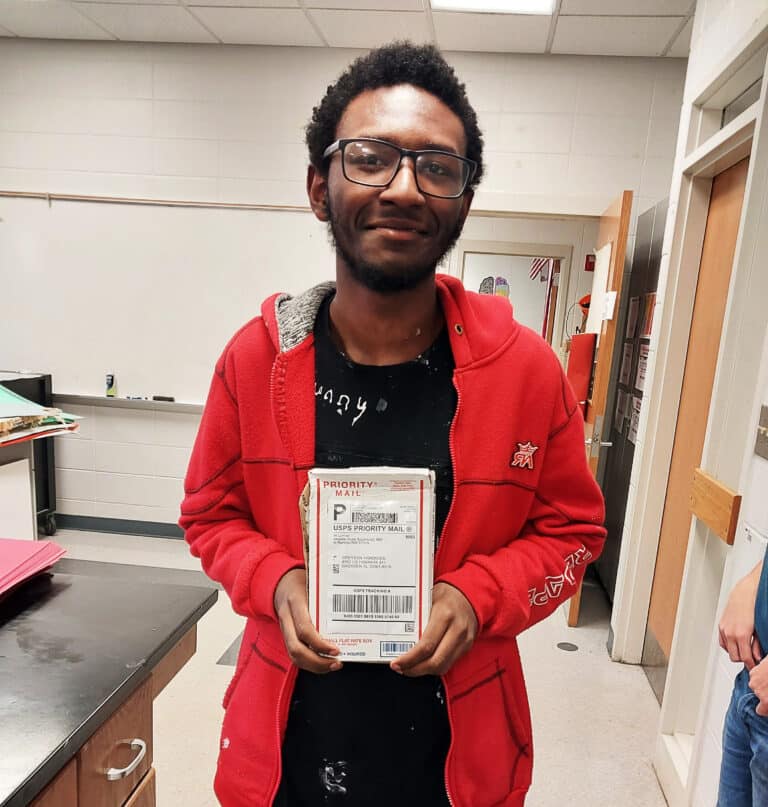
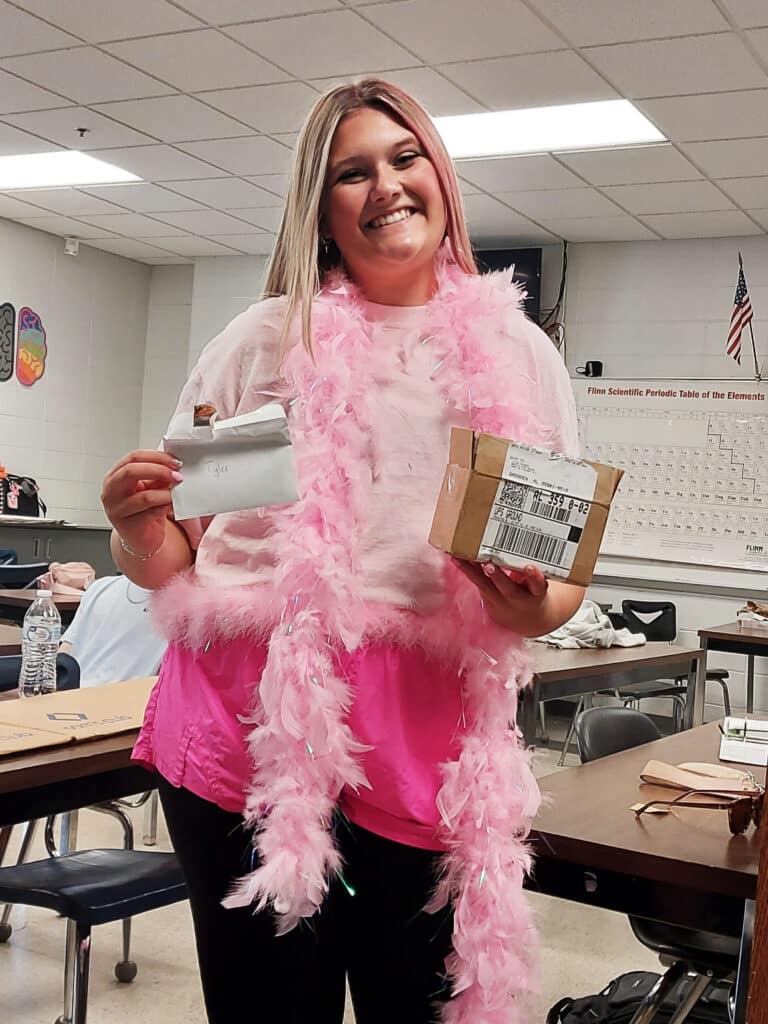
In the collection phase, which has already begun, Gaston students will individually gather different Alabaman rock specimens and mail them to rock collectors in other states. In turn, these rock collectors will mail back stones and gems from their own states to the Gaston students, functioning in the way a bare-bones pen pal project would.
During the report phase, which will take place in the second quarter period, students will write a report on what was sent to them and mail a copy of their report to their pen pal, along with a thank you letter.
One goal, Sharpton said, was for his students to continue mailing back and forth with their partners like “true pen pals.” Another is for students to gain an understanding of the geological differences between Alabama and other states.
They are, however, far from the only goals, and Sharpton is not the only person putting in a helping hand.
“The geography teacher is benefitting from this because the kids are learning a little bit more about the geography of the United States,” Sharpton stated. “The English teachers and special education teachers, they’ve supported some of the kids who needed help writing their letters, since they’re not allowed to use a computer and have to handwrite them.”
By killing two (or several) birds with one stone, Sharpton ultimately hopes to prepare his students for life after high school. And since his students range from 10th to 12th graders in different classes — some from Earth and Space, some Environmental Science, some Chemistry — they’ll have many paths to navigate with just as many obstacles to face, some of which may be universal.
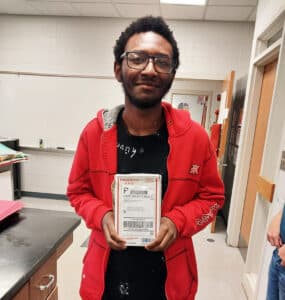
“I love the fact that it’s old school stuff. It’s stuff that kids should have as a backup — if technology ever fails, they’ll know how to write a letter to somebody.”
The most precious thing for Sharpton, however, isn’t necessarily the fact that they’ll learn how to tell one mineral from another, or how to write a proper greeting in their letters, though those are important and irreplaceable skills — but the impact this has had on both the students and their pen pals psychologically.
“I’ve been keeping in touch with the pen pals, and the stuff they’re saying is so amazing,” Sharpton stated. “One woman was saying that she didn’t get to talk to her daughters that much, and to have another young lady send her a handwritten letter — it’s crazy.”
And for Sharpton, the personal touch of the handwritten letters — in the students’ and pen pals’ own words and not ChatGPT’s — and the raw stones from the places people call home make the whole experience even crazier.
In addition to connecting with other people, Sharpton also hopes that his students will connect with nature, too.
“The end goal is for kids to see how beautiful nature is — to see the things that nature can create that mankind cannot.”
Readers interested in donating funds to the rock collecting project to help Gaston students with postage costs can reach out to Amy Noakers, Secretary of Gaston High School and a fellow rock collector, through email at [email protected] or by phone at (256) 547-8828. Donations will only go towards the shipping cost for the high school students’ packages, which range between $12 and $15. The packages sent by the pen pals are paid for out-of-pocket by the pen pals themselves.