By Carrie Halladay
June 21 is known as “The Longest Day.” For most people, it marks the summer solstice and the longest period of daylight each year. For families affected by Alzheimer’s disease and other forms of dementia, however, the phrase has taken on a deeper meaning.
For many caregivers, every day can feel like the longest day.
Caring for a loved one with Alzheimer’s is unlike most other caregiving experiences. While many illnesses affect the body, dementia often changes memory, personality and behavior. It gradually alters the way a person interacts with the world and with the people they love most.
One of the most difficult aspects of Alzheimer’s is that caregivers often experience a unique form of grief. They are grieving someone who is still physically present.
A husband may sit across the table from the wife he has loved for decades and realize she no longer remembers important moments they shared. An adult child may watch a parent forget family traditions, stories and names that once seemed impossible to lose. The person is still there, yet parts of the relationship begin to disappear.
This type of loss can be incredibly painful because there is rarely a clear ending. Instead, families experience a series of smaller losses over time.
Many caregivers find themselves balancing multiple emotions at once. They may feel love, frustration, sadness, exhaustion and guilt all in the same day. They want to provide the best care possible, yet they also struggle with the physical and emotional demands of caregiving. Some feel guilty for becoming tired. Others feel guilty for wanting a break.
The truth is that caregiving is hard work.
It requires patience, flexibility and emotional strength. It often involves managing medications, attending appointments, ensuring safety and helping with daily activities. For some caregivers, it can feel like being on duty twenty-four hours a day.
Unfortunately, caregivers frequently place their own needs at the bottom of the priority list. They focus so completely on their loved one that they neglect their own health, relationships and emotional well-being.
Yet caregivers need care too.
Taking a break does not mean you love someone less. Asking for help is not a sign of weakness. In fact, accepting support is often one of the healthiest choices a caregiver can make. Whether it comes from family members, friends, support groups, churches or community organizations, support can make a tremendous difference.
As we recognize The Longest Day this June, let us remember that Alzheimer’s affects more than the person who receives the diagnosis. It affects spouses, children, grandchildren, friends and entire families.
If you know someone caring for a loved one with dementia, consider reaching out. Offer to sit with their loved one for an afternoon. Bring a meal. Run an errand. Call and check on them. Small acts of kindness can provide much-needed relief.
The longest days become easier when we do not have to face them alone. Sometimes the greatest gift we can offer a caregiver is simply reminding them that someone else is willing to share the load.
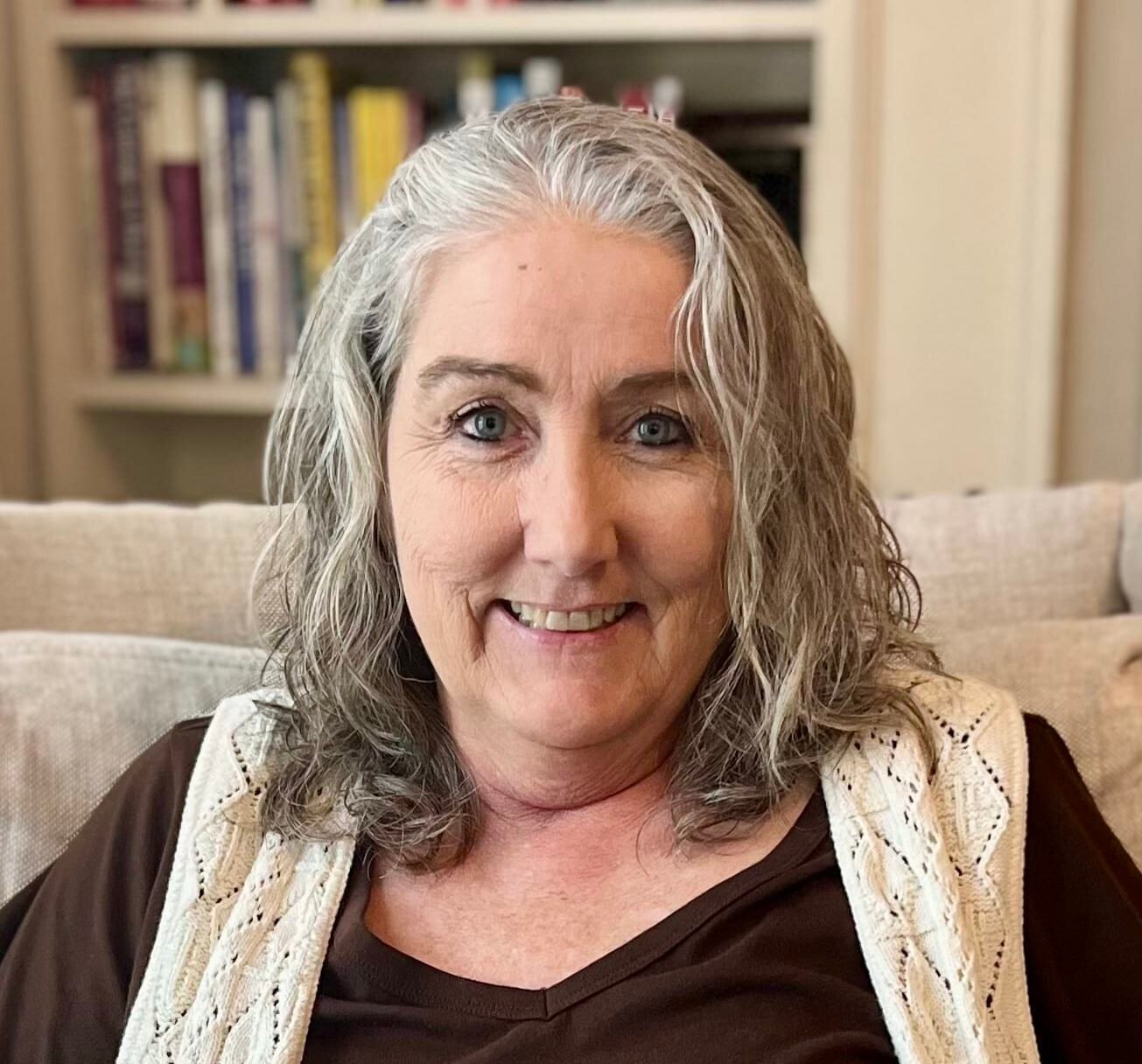
Carrie Halladay is a Licensed Professional Counselor and the owner of Halladay Counseling in Gadsden. She earned her Master of Science in Counseling from Jacksonville State University in 2002.