Submitted by Jim Harms, MD
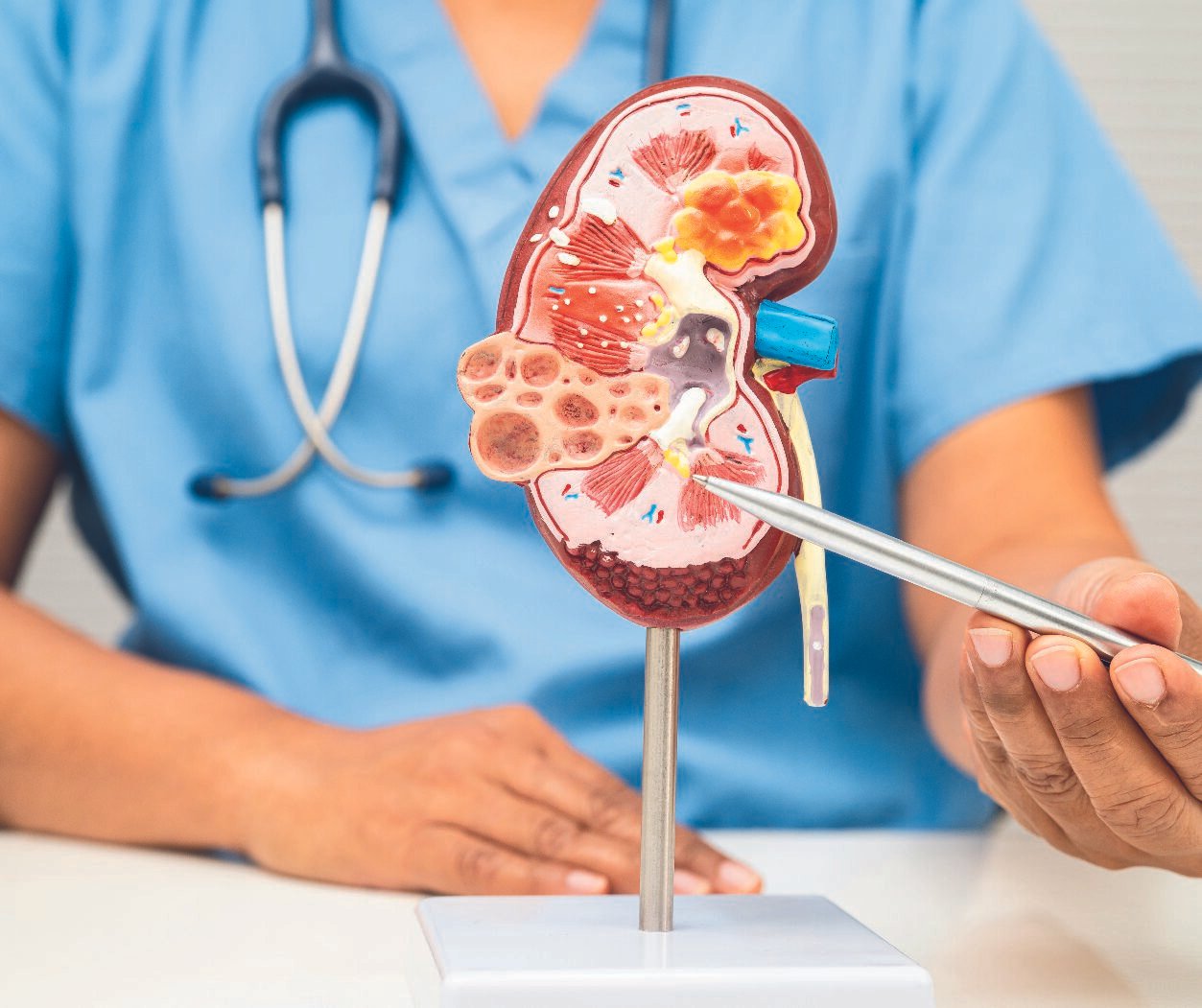
I’m thrilled to get the opportunity to write to my community about my favorite organ, the kidney. I am a local nephrologist (that’s a kidney doctor!) who has been practicing for over 10 years. The kidneys are one of the most misunderstood organs, because for the most part when they are doing their jobs, you shouldn’t even really notice that they are there!
What Do They Actually Do?
The kidneys are usually present as a pair of bean shaped organs (think kidney beans) that sit on either side of the body towards your back . Your kidneys are responsible for cleaning your blood, and produce urine as a byproduct to eliminate waste. They make sure that toxins that could make you sick are removed, medications are cleared out, and electrolytes like potassium and sodium are kept in ranges that keep you feeling healthy. In addition to this function, kidneys produce the hormone that allows your bones to make red blood cells. They also process vitamin D, which helps to keep bones healthy.
When Things Go Wrong
When kidneys get sick some of these things (toxins, electrolytes) can develop imbalances, even though they still produce normal looking urine. That means that kidneys can develop significant damage before people start to ‘feel bad.’ Oftentimes that means patients don’t get referred to our office until their kidney function is quite poor. Most people are born with two kidneys and can live with only one! Think about those kind souls that donate a kidney to another person – they still live normal ‘kidney’ lives!
How We Check Your Kidney Health
We stage kidney disease into 5 functioning stages, with 1 being the earliest and ‘best ’, and 5 being the latest and ‘worst’. Your doctor can check your kidney function with two simple tests
- Blood test: This checks a test called creatinine to determine your glomerular filtration rate (GFR). This tells us how well your kidneys are cleaning your blood.
- Urine Test: This checks for a protein called albumin. This is also called a UACR. Protein is needed in your body, so you shouldn’t lose it in your urine. Its presence can tip off your doctor that you might be experiencing kidney damage.
Prevention and Hope
Routine visits and checkups with your doctor will ensure that you are screened for kidney trouble and referred to a kidney specialist if needed. We prefer to see patients early on, when we have the ability to make the biggest positive impact on protecting or saving your kidney function, but we can often help treat patients with kidney disease of all stages. The most common causes of kidney disease are diabetes, heart disease, and high blood pressure. As diabetes has become more prevalent, so has kidney disease. The good news is that we have many more tools available to us now than we did, even since I began training. For example, when I began training, we primarily used one class of medication for kidney disease in diabetic patients. Now we have 4 different classes of medications and combined they can be very effective at protecting kidney function.
New discoveries and treatments are available for many different types of kidney problems now, and the future is bright. I hope you have found this helpful. Make sure you ask your doctor next time, “How are my kidneys doing?” Let’s keep those kidneys happy.